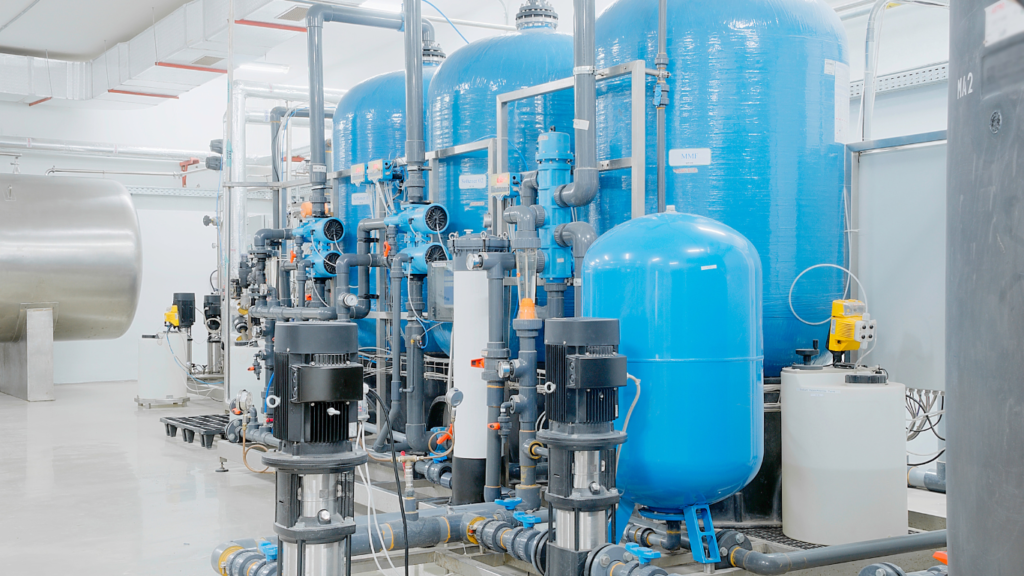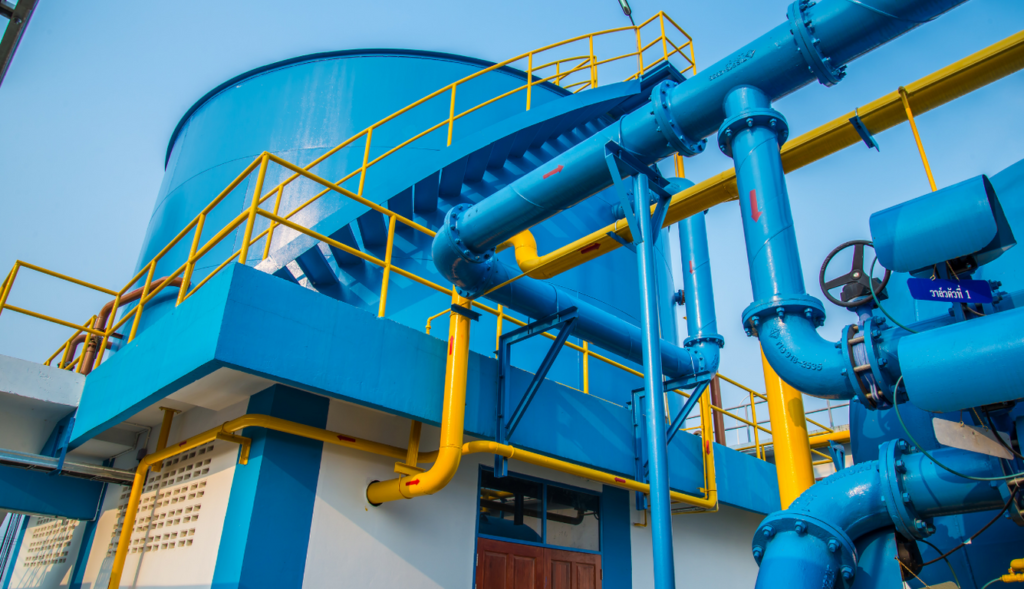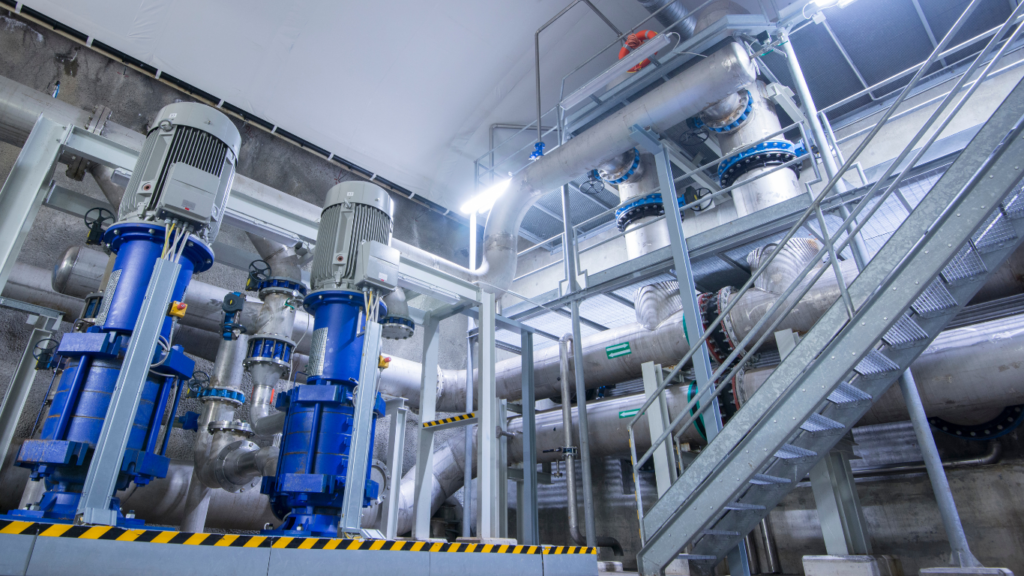
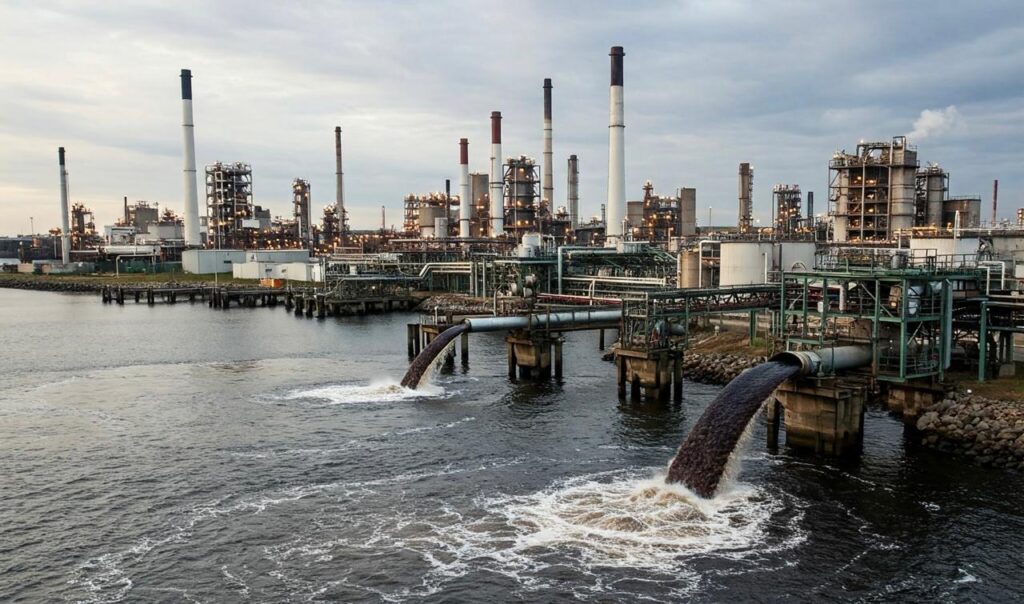
ZLD, Zero Liquid Discharge, is a wastewater treatment approach that ensures no liquid waste is released into the environment. The goal of ZLD is to treat and reuse all wastewater within a facility, leaving behind no discharge into the environment. This is achieved through a combination of technologies which recover clean water and convert the remaining waste into solid residues for safe disposal. ZLD is especially important in industries where water conservation and environmental regulations are critical.
The Evolution of ZLD in Industrial Wastewater Management
The journey toward ZLD began with growing awareness of how water pollution harms the environment. Early wastewater treatment efforts relied on dilution and basic processes. This approach was limited and ineffective in the long term.
In 1972, the US passed the Clean Water Act, which introduced stricter rules to reduce pollution in waterways. However, these laws focused on reducing pollutant levels—not eliminating discharge entirely.
ZLD emerged as a more complete solution. It addressed the gaps left by conventional treatment methods. At first, industries handling highly concentrated and hazardous waste adopted ZLD. Over time, as water scarcity and environmental concerns increased, more industries began to implement ZLD systems.
Why ZLD is Essential in Today’s Water-Stressed World
After working with industrial clients across sectors, one thing is clear: water is becoming the next bottleneck. Scarcity isn’t a future problem anymore. It’s already affecting operations, especially in water-stressed regions across India, the Middle East, and parts of Asia and Africa.
At the same time, regulations are catching up fast. Countries like India and China now mandate ZLD in many industries—textiles, chemicals, pharma. If you’re discharging, you’re on the radar. And regulators aren’t just asking for cleaner discharge—they’re pushing for zero discharge.
This is where Zero Liquid Discharge (ZLD) becomes more than a compliance box to check. It’s a way to take control of your water risk. With the right ZLD system, you can recover 95–100% of your water, reduce dependence on fresh supply, and cut long-term disposal costs.
Yes, ZLD used to be expensive and energy-intensive. But not anymore. Innovations in non-conventional ZLD systems—like the ones we’ve helped deploy—are removing the need for energy-hungry RO and MEE units. That’s lower OPEX, faster ROI, and fewer headaches for plant managers.
What many don’t realize is ZLD also unlocks resource recovery. We’ve seen clients recover salts, metals, and even nutrients from their wastewater—turning waste into revenue.
In short, ZLD is no longer just an environmental solution. It’s an economic one. And for forward-looking companies, it’s becoming a strategic advantage—for compliance, for sustainability goals, and for long-term water resilience.
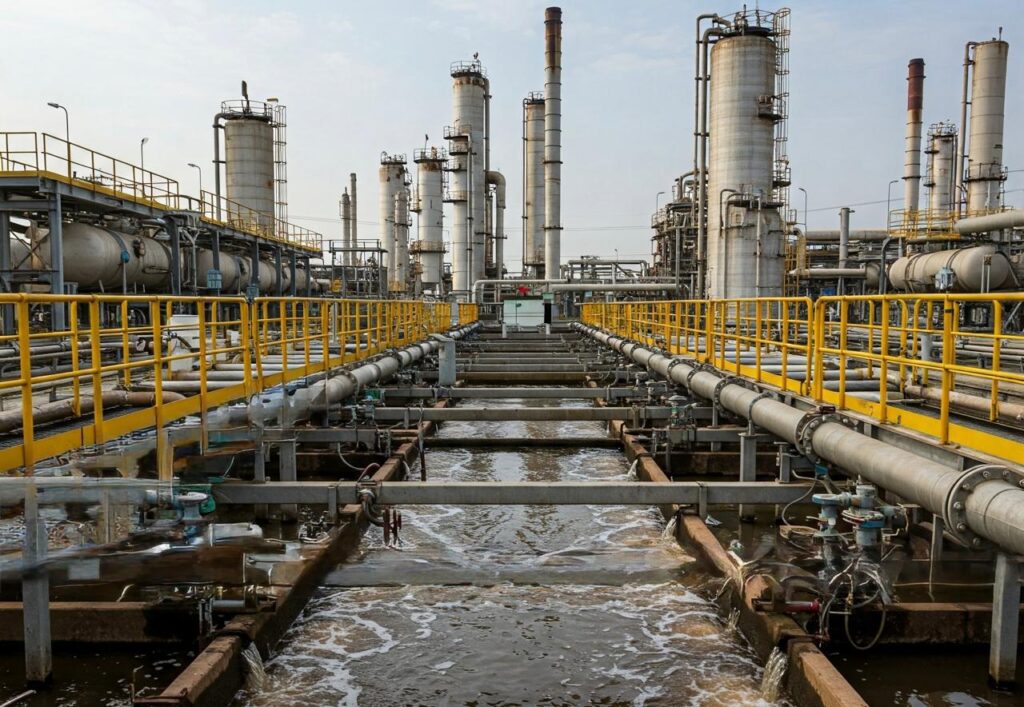
The Future of ZLD: Sustainable, Smart, and Scalable
ZLD is no longer a niche solution—it’s quickly becoming mainstream.
As industries rethink water management, ZLD is evolving fast. One of the most promising trends? Smart, data-driven ZLD systems. With real-time sensors and AI-based controls, plants can now optimize performance, reduce energy use, and adapt to changing water loads on the fly.
We’re also seeing the rise of decentralized ZLD systems—compact, modular units designed for smaller facilities or remote sites. These systems make ZLD viable even for mid-sized manufacturers and clusters of SMEs.
But what’s most exciting is the integration with renewable energy. Solar-assisted evaporation, waste heat reuse, and low-temperature crystallizers are making ZLD more sustainable and cost-effective than ever before.
The future of ZLD is clear: less energy, more value, and wider accessibility. It’s not just about zero discharge anymore—it’s about smarter, circular water systems that support growth without hurting the planet.
How to Achieve ZLD Without RO and MEE?
For decades, achieving Zero Liquid Discharge (ZLD) has largely meant deploying energy-intensive technologies like reverse osmosis (RO) and multi-effect evaporators (MEE). While these systems are effective, they come with significant operational and financial challenges—especially for industries handling high total dissolved solids (TDS) or operating in energy-constrained environments.
RO systems require high-pressure pumps, frequent membrane replacement, and are often ineffective for high-TDS streams. MEEs, on the other hand, consume large amounts of thermal energy and require extensive maintenance. For many facilities, the cost of installing and running such systems makes traditional ZLD economically unviable.
However, advancements in non-conventional ZLD approaches are beginning to change that picture.
One such approach, developed by SCALEBAN, eliminates the need for RO and MEE altogether. It uses a chemical-physical process to suppress scaling, corrosion, and biofouling, allowing water reuse even under extreme salinity conditions. This opens up a path to ZLD that is more energy-efficient, lower in CAPEX and OPEX, and operationally simpler.
For industries under pressure to reduce freshwater intake, comply with tightening discharge norms, or improve water resilience, such non-conventional ZLD strategies offer a compelling alternative. They’re not a replacement for all systems—but in the right context, they represent a step change in industrial water management.
Conclusion
Beyond environmental protection and regulatory compliance, ZLD offers the significant advantage of resource recovery. Wastewater often contains valuable materials that can be extracted and reused. For instance, in the textile industry, ZLD processes can recover valuable dyes and salts, allowing for their reuse in production and significantly reducing the need for virgin resources.
Similarly, in the food and beverage sector, ZLD can enable the recovery of valuable nutrients and organic compounds from process water, which can be repurposed for animal feed or fertilizer production. Another example comes from the mining industry, where ZLD can be used to recover valuable metals like copper and nickel from mine tailings, transforming what was once waste into a resource stream. This potential for resource recovery transforms wastewater from a liability into a valuable asset, driving both economic and environmental sustainability.
To learn more about implementing sustainable ZLD solutions without RO & MEE CONTACT SCALEBAN
FAQs
1. What is Zero Liquid Discharge (ZLD)?
ZLD is a wastewater treatment strategy where no liquid waste is released into the environment. All wastewater is treated, reused, or converted into solid waste.
2. Why is ZLD important for industries?
Because it helps reduce water usage, ensures compliance with strict discharge regulations, lowers long-term disposal costs, and enables resource recovery from wastewater.
3. Is ZLD mandatory in India?
Yes. ZLD is legally required for several sectors including textiles, tannery, bulk drugs, and distilleries—especially under the guidelines issued by CPCB and SPCBs.
4. Does ZLD always require RO and MEE?
No. With modern innovations like Scaleban’s technology, industries can now achieve ZLD without using high-energy RO and MEE systems.
5. How much does ZLD cost?
Traditional systems can be capital-intensive. But non-conventional systems like SCALEBAN reduce CAPEX by up to 80% and offer ROI in as little as 12 months.
6. What industries benefit most from ZLD?
Oleochemicals, semi-conductors, petrochemicals, pharma, distilleries, and mining sectors benefit the most—especially where water reuse and resource recovery have financial or regulatory incentives.