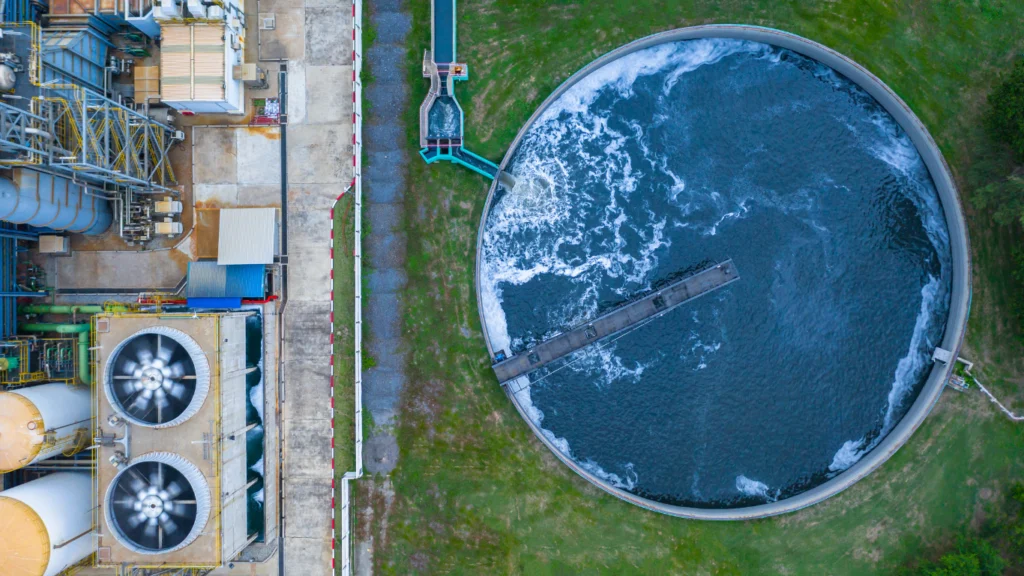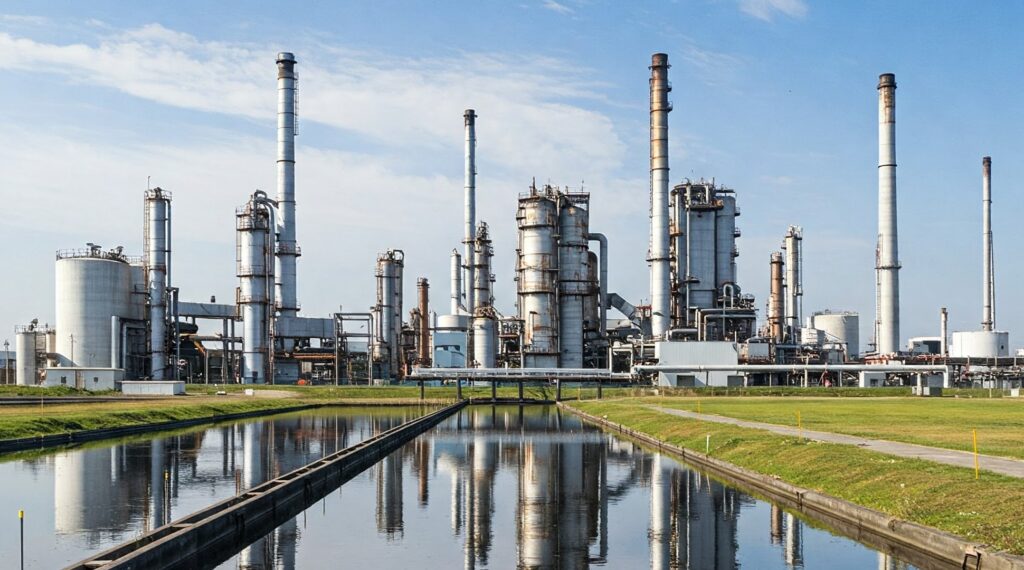

Water is one of the most critical resources for industries. But with rising demand and strict regulations, managing wastewater has become a top priority. Industrial wastewater treatment is the process of removing contaminants from water generated during production. It ensures that water can be safely reused or discharged without harming the environment.
For industries, wastewater treatment is not just about compliance. It is about reducing costs, saving water, and building sustainable operations. In this blog, we will explain what industrial wastewater treatment is and why industries need it today more than ever.
What is Industrial Wastewater Treatment?
Wastewater treatment in industries is the process of cleaning and managing water that comes from factories, refineries, and other industrial units. Unlike municipal systems, wastewater from industries often contains oils, chemicals, heavy metals, and high levels of dissolved salts.
The purpose of wastewater treatment for industries is to remove these pollutants before water is released into the environment or reused within operations. Common solutions include effluent treatment plants (ETP), reverse osmosis (RO), multiple-effect evaporators (MEE), and biological treatment processes. Each technology has its role, but the main goal remains the same : making industrial water safe for discharge or recycling.
Effective industrial wastewater treatment not only protects rivers and groundwater but also supports compliance with environmental laws. More importantly, it helps industries move toward sustainable water management and long-term cost savings.
Why Do Industries Need Wastewater Treatment?
Every industry produces wastewater as part of its daily operations. This water often carries chemicals, oils, dyes, or dissolved solids that can harm rivers, soil, and even groundwater if left untreated. Proper treatment ensures these pollutants are removed before water is released or reused.
There is also a strong business case. Treating and reusing water helps companies cut down on freshwater use and reduce operating costs. In many sectors, treated water can go back into processes like cooling or boiler operations. This reduces expenses while also supporting long-term sustainability goals.
In short, wastewater treatment is vital for industries because it protects nature, ensures legal compliance, and improves overall efficiency.
Challenges in Industrial Wastewater Treatment
Managing wastewater in industries is complex. Unlike domestic water, industrial effluents vary greatly in composition and volume, making treatment a constant challenge. Below are the major hurdles industries face.
Complex and Variable Effluents
Each industry generates a different type of wastewater. For example, textiles release dyes and salts, petrochemicals discharge hydrocarbons, and power plants produce high-TDS blowdowns. This variation means no single treatment method works for all, forcing industries to adopt costly, multi-stage systems.
High Energy and Resource Consumption
Traditional methods like RO and MEE are extremely energy-intensive. They require continuous power, chemicals, and water for cleaning. As energy prices rise, this makes treatment economically unsustainable for many industries.
Scaling, Corrosion, and Biofouling
Water with high TDS or hardness leads to scaling and corrosion in pipelines, boilers, and cooling towers. On the other hand, untreated organics encourage biofouling. Together, these issues reduce plant efficiency, increase downtime, and raise maintenance costs.
Regulatory Pressure and Compliance Costs
Governments are enforcing stricter discharge norms under CPCB in India and similar agencies worldwide. Meeting these standards often requires additional treatment units, higher CAPEX, and rising OPEX. Non-compliance can result in penalties, legal action, or even shutdowns.
Sludge Management Issues
Conventional wastewater treatment generates large amounts of sludge. Handling, transporting, and disposing of this sludge adds another layer of cost and environmental risk. For many industries, this is an overlooked but significant burden.
Smarter Alternatives for Wastewater Treatment in Industries
Modern industries are now shifting from conventional technologies to innovative approaches that save water, energy, and money. One such direction is non-conventional wastewater treatment, which focuses on water reuse without relying heavily on energy-intensive processes.
SCALEBAN is an example of such innovation. Instead of using RO or MEE, it enables cooling towers and other systems to operate at higher cycles of concentration (15–20) and handle water with very high TDS levels. This means industries can reuse more water without the risk of scaling, corrosion, or biofouling.
The results are significant: up to 80% lower CAPEX and OPEX, faster ROI, and reduced carbon emissions. By rethinking the way wastewater is treated, industries can achieve sustainability goals while cutting costs.
Conclusion
Industrial growth and sustainability can only move forward together. Treating wastewater is no longer just about meeting regulations — it is about protecting the environment, reusing resources, and running efficient operations.
While traditional methods play their part, smarter, non-conventional solutions are setting a new standard. By adopting innovative approaches like Scaleban, industries can secure long-term water availability, reduce costs, and contribute to global sustainability targets.
In the future, wastewater treatment for industries will not just be a compliance requirement, but a key component of responsible and profitable business.