Imagine an industrial plant where wastewater doesn’t end up as waste at all. Instead, every drop is recovered, purified, and reused to power the same processes that created it. No polluted discharge, no wasted resources, only a cycle of water that never runs dry.
This isn’t a distant idea. New advances in water treatment technologies are making it possible today. From smarter biological systems that eat away contaminants to ultra-thin membranes that filter out the toughest impurities, industries are discovering ways to turn water challenges into opportunities.
In this blog, we’ll uncover how industrial wastewater treatment technology is evolving, why traditional methods fall short, and how innovative approaches like ZLD technology are paving the way for industries to achieve both sustainability and cost efficiency.
By the end, you’ll see how the future of water treatment is not just about cleaning water but about rethinking it as a renewable resource.
What is Wastewater Treatment?
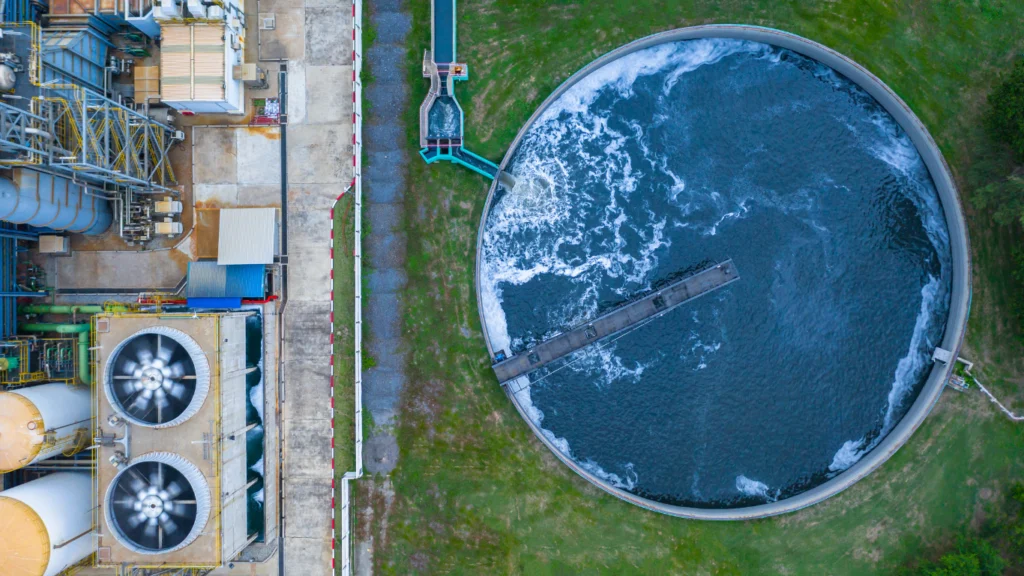
Wastewater treatment is the process of cleaning used water so it can be safely reused or released without harming the environment. It removes pollutants such as chemicals, oils, salts, and microbes, making the water fit for another purpose.
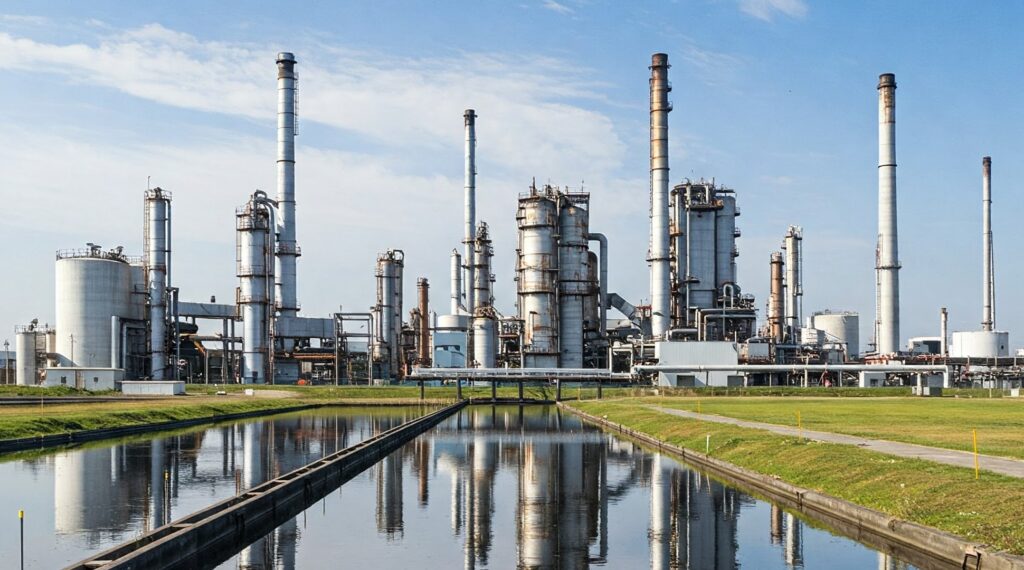
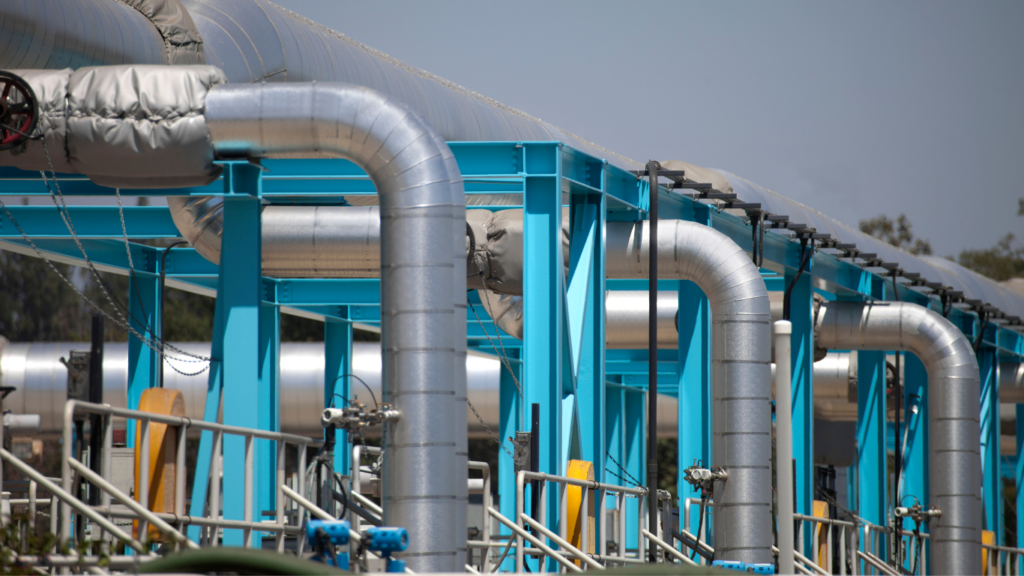
In industries, this process is vital because effluents often contain complex and toxic contaminants. Ordinary municipal systems cannot handle these, which is why industrial wastewater treatment technology is used. Modern water treatment technologies combine physical, chemical, and biological methods to achieve high levels of purification. Advanced plants even use ZLD technology to ensure no liquid waste is discharged at all.
Stages of Wastewater Treatment
Now that we understand what wastewater treatment is, the next step is to see how the process actually works. Every treatment system follows a series of stages that gradually remove contaminants and prepare the water for safe reuse or discharge. While the methods may differ across industries, the core stages remain similar.
Primary Treatment: Removing Solids
The process begins with primary treatment, where larger solids, grit, and floating materials are separated from water. This is done through screening and sedimentation. Although simple, this step is essential because it prevents blockages, protects equipment, and makes the following stages more effective.
Secondary Treatment: Breaking Down Organics
Once the solids are removed, the focus shifts to organic matter. In this stage, biological processes come into play. Microorganisms are used to digest organic pollutants, reducing the biological oxygen demand (BOD) of the wastewater. This stage is especially critical in food, beverage, and textile industries where high levels of organic waste are common.
Tertiary Treatment: Advanced Purification
Tertiary treatment takes purification to the next level. Advanced water treatment technologies like filtration, activated carbon, and chemical dosing are applied to remove nutrients, metals, and residual chemicals. Some industries also use advanced oxidation or UV disinfection at this stage to achieve high-quality, reusable water.
Membrane and ZLD Systems
In many industries, even tertiary treatment is not enough. High-purity applications in pharmaceuticals or power plants demand membranes such as ultrafiltration (UF), nanofiltration (NF), or reverse osmosis (RO). And for industries moving toward ZLD technology, the final step ensures that almost every drop of water is recovered, leaving behind only solid residues.
Key Water Treatment Technologies
Each stage of the wastewater treatment process relies on specific technologies that make purification possible. Over the years, different methods have been developed to target a wide range of pollutants. Below are the most widely used water treatment technologies in industries today.
Membrane Technologies
Membrane-based systems are among the most common tools in industrial wastewater treatment technology. Reverse osmosis (RO), ultrafiltration (UF), and nanofiltration (NF) use thin membranes to separate salts, minerals, and impurities from water. RO is highly effective in producing pure water but requires significant energy and maintenance. UF and NF are often used as pre-treatment steps, helping reduce the load on RO systems.
Ion Exchange
Ion exchange is a process where unwanted ions in water, such as calcium, magnesium, or nitrates, are swapped with more desirable ions. This technology is widely used for water softening and demineralization, ensuring smooth operations in boilers, cooling towers, and other sensitive industrial equipment.
Ozonation and UV Disinfection
For industries dealing with microbial contamination, oxidation-based technologies like ozonation and ultraviolet (UV) treatment are highly effective. Ozone breaks down complex organic compounds and kills pathogens, while UV light sterilizes microorganisms without adding chemicals. These advanced oxidation methods are often used in food, pharmaceutical, and beverage sectors where water purity is critical.
Activated Carbon Filtration
Activated carbon is a versatile adsorbent that captures organic pollutants, color, and odors from water. It is often used after biological treatment to polish the water and make it suitable for reuse. Activated carbon is especially useful in industries that release dyes, solvents, or volatile organic compounds.
Emerging Non-Conventional Solutions
Traditional methods like RO and evaporation can be expensive and energy-intensive. To overcome these challenges, industries are turning to non-conventional water treatment technologies that deliver the same results at lower cost and with reduced energy use. Scaleban’s ZLD technology is a prime example. It allows cooling towers and industrial systems to operate at high cycles of concentration without scaling or corrosion, while ensuring near-complete water recovery. This makes it both a sustainable and economical solution for industries aiming at Zero Liquid Discharge.
Conclusion
Water is no longer just a utility; it is a resource that industries must manage wisely. As we’ve seen, wastewater treatment technologies play a critical role in transforming polluted water into something usable again. From membranes and ion exchange to advanced oxidation and activated carbon, each method has its place in the wastewater treatment process.
But industries today face a bigger challenge: achieving sustainability without skyrocketing costs. This is where non-conventional solutions make the difference. By adopting advanced systems like Scaleban’s ZLD technology, industries can reduce freshwater dependency, cut operating costs, and meet strict environmental regulations while ensuring long-term water security.