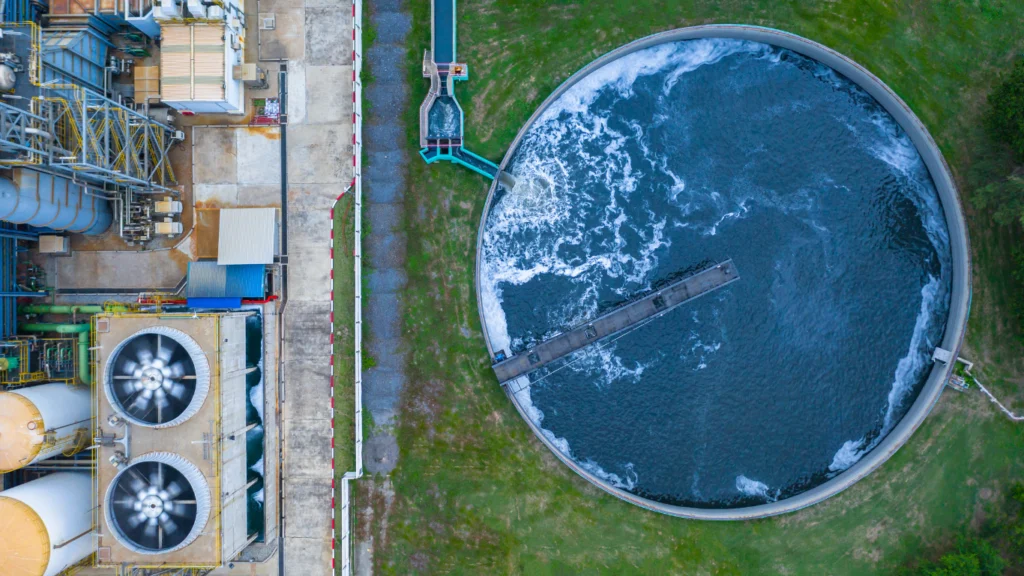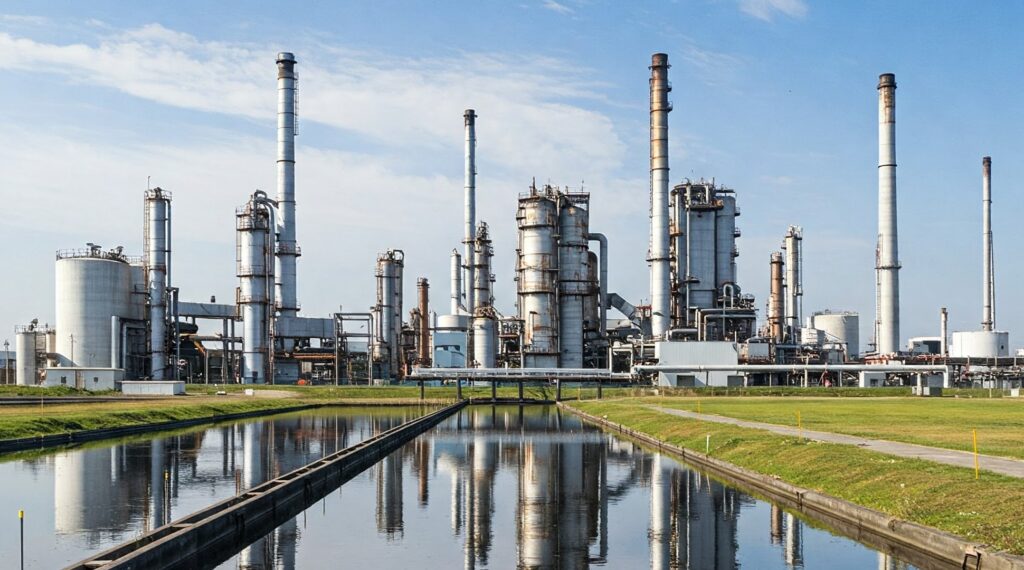
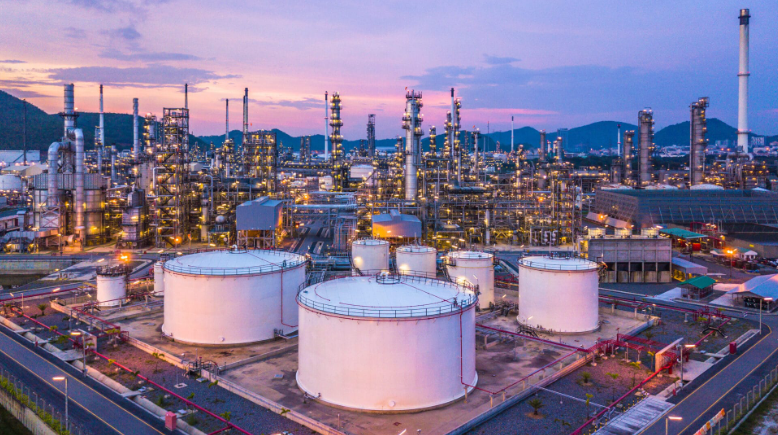
Challenges faced while achieving ZLD in Chemical Industry
Zero Liquid Discharge (ZLD) is critical in the chemical industry due to the nature of wastewater generated. Effluents are often high in Total Dissolved Solids (TDS), chemically complex, and may contain toxic or hazardous substances. If untreated, such wastewater can severely impact water bodies, soil quality, and public health.
A well-designed ZLD system ensures removal of contaminants and enables safe reuse of water within the plant. However, achieving ZLD is both technically and economically challenging.
Key Challenges:
- High Cost and Energy Demand
ZLD systems rely heavily on energy-intensive processes like evaporation and RO. Technologies such as MEE consume large amounts of steam and electricity, significantly increasing operational costs. This makes ZLD expensive and difficult to sustain, especially for cost-sensitive operations.
- Complex and High TDS Wastewater
Chemical industry effluents contain a mix of organic and inorganic compounds, often with extremely high TDS levels. Treating such complex wastewater using conventional technologies is difficult and inefficient. - Sludge and Hazardous Waste Disposal
ZLD systems convert liquid waste into solid residues such as salts and sludge. In chemical industries, these residues may contain hazardous substances, making their safe disposal a major challenge. Improper handling can lead to environmental risks. - Capital Investment and Operational Complexity
Setting up a ZLD plant requires significant investment in equipment such as RO systems, evaporators and crystallizers. In addition, continuous monitoring, maintenance and skilled operation increase overall complexity and cost.
- Regulatory Pressure
Environmental regulations for chemical industries are becoming stricter. Industries are required to meet discharge norms and adopt ZLD in many cases. While necessary, this adds pressure to implement and operate ZLD systems efficiently.
Sustainable way to achieve ZLD with Scaleban (Without RO & MEE)
SCALEBAN offers a non-conventional ZLD solution that eliminates the need for RO and MEE. Instead of relying on membranes and evaporation, Scaleban uses an advanced chemical-physical approach to prevent Scaling, Corrosion and Biofouling while efficiently handling extremely high TDS wastewater. This enables reliable and continuous water reuse, making the overall process more cost-effective, energy-efficient and operationally simpler.
How It Works in Chemical Industry In practical applications, Scaleban enables treated wastewater to be reused within plant utilities such as cooling systems. This allows:
- Operation at high TDS levels (up to 300,000 ppm)
- High cycles of concentration (COC 15–20)
- Zero scaling, corrosion, or biofouling
As a result, industries can achieve Zero Liquid Discharge (ZLD) without relying on energy-intensive systems like RO and MEE.
Key Impact of Scaleban-Based ZLD
- Eliminates the need for energy-intensive evaporation
- Reduces freshwater consumption significantly
- Simplifies wastewater treatment operations
- 80% savings in CAPEX & OPEX over conventional technologies
Benefits of ZLD in the Chemical Industry
Implementing ZLD with advanced technologies like Scaleban delivers strong environmental and operational benefits – especially for chemical plants dealing with high-TDS, complex effluents.
- Water Conservation – ZLD systems recover up to 95-99% of wastewater, reducing dependence on freshwater sources.
- Pollution Control – Prevents discharge of hazardous chemicals into the environment, protecting water bodies and ecosystems.
- Cost Optimization – Modern solutions like Scaleban reduce energy consumption and operational costs compared to traditional RO + MEE systems.
- Regulatory Compliance – Helps chemical industries meet strict environmental regulations and avoid penalties.
- Sustainable Operations – Supports long-term sustainability goals and improves overall plant efficiency.
Learn how to maximize water saving in cooling towers without RO systems
The future of ZLD lies in adopting such innovative technologies that deliver sustainability, reliability, and cost-effectiveness in a single solution.
To learn more about implementing sustainable ZLD solutions CONTACT SCALEBAN