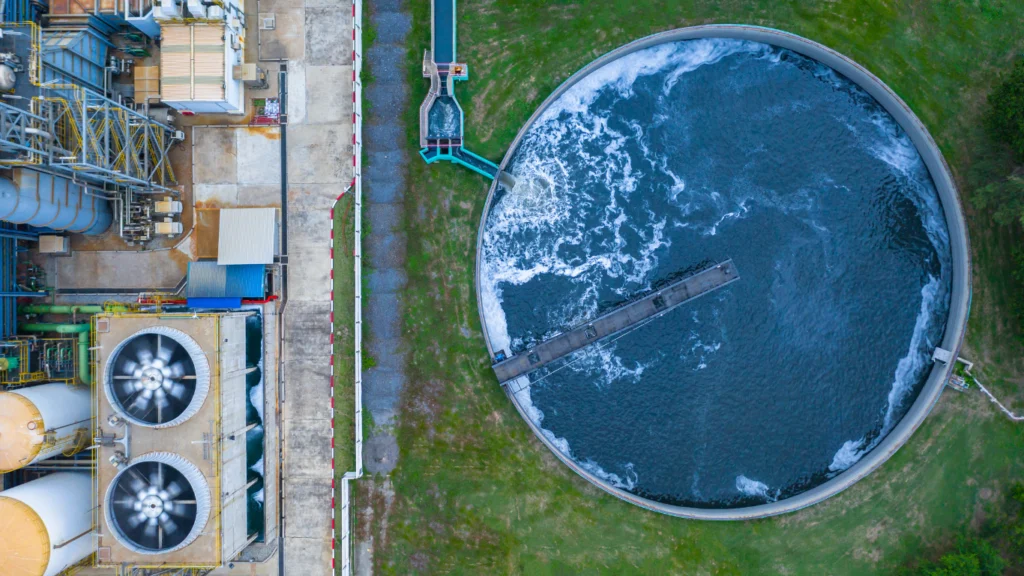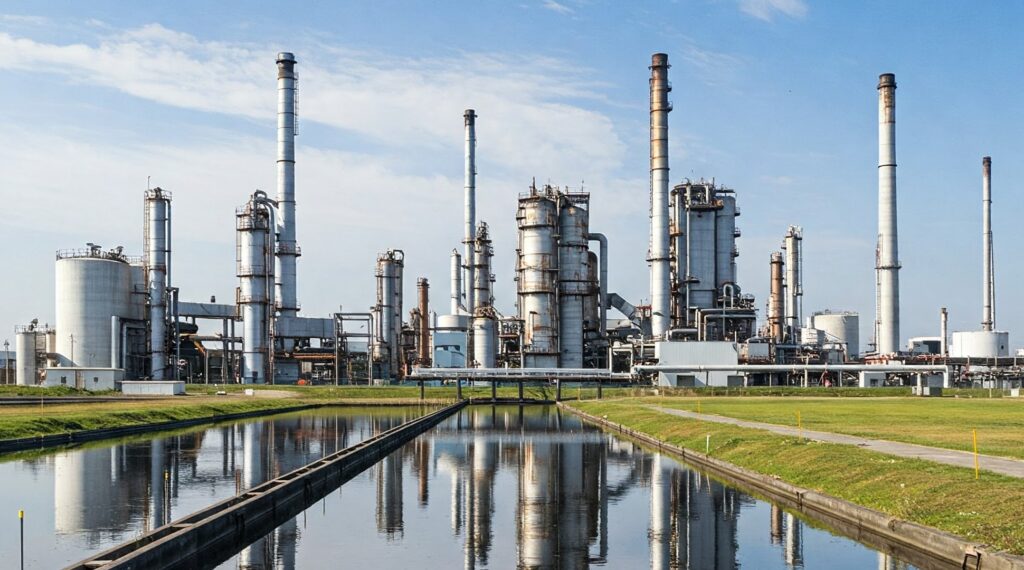

Zero Liquid Discharge (ZLD) means treating industrial wastewater until no liquid effluent is discharged – only clean water is reused and any remaining salts or sludge are collected as solids. In practice, a ZLD system recovers virtually all water for reuse, leaving zero wastewater outflow. This extreme conservation approach has gained attention as industries face mounting water scarcity and stricter pollution rules.
In the global textile industry, ZLD is especially important. Textile dyeing and finishing consume vast amounts of water and generate heavily polluted effluent (dyed water, detergents, salts, heavy metals, etc.). Traditional discharge of this effluent can damage local rivers and soils. A well-designed ZLD setup can remove these dyes and chemicals, protecting the environment and allowing the water to be reused on-site. It can even recover valuable materials: for example, ZLD processes in textiles can extract and reclaim dyes and salt catalysts for reuse in dyeing, reducing the need for new chemicals. By cutting freshwater intake and eliminating harmful discharge, ZLD helps textile mills comply with tough effluent standards and supports broader sustainability goals.
Challenges of Implementing ZLD in Textile Plants
Implementing ZLD in a dyeing factory is technically and financially challenging. Key difficulties include:
- High cost and energy demand: ZLD systems often use energy-intensive processes (evaporation, boiling). Studies note that boiling off water requires roughly six times more energy than simply heating it. The need to evaporate water to dryness means very high electricity/steam use, raising operating costs. In fact, analysts observe that while ZLD reduces pollution, it is “offset by high costs and energy consumption,” which has historically limited its adoption. Large thermal units like multi-effect evaporators (MEEs) or mechanical vapour recompression (MVRs) dominate the energy bill.
- Sludge and brine disposal: ZLD converts almost all wastewater into solid residues (salts, sludge, crystals). Safely managing these concentrated wastes is tricky. If not handled properly, salt ponds or sludge heaps can leak toxins to soil or groundwater. Textile effluent often contains hazardous dyes and chemicals, so disposal of the resulting salts (or use as landfill) must follow strict rules. This “zero discharge” approach shifts the problem from water discharge to safe disposal or recycling of solids.
- Capital expense and operational complexity: Building a ZLD plant requires expensive equipment (high-pressure RO units, evaporators, crystallizers, boilers, crystallizers, etc.). Maintenance and skilled operation add to costs. Reports from textile regions note that continuous running and cleaning of these systems can be difficult. In India, studies have pointed out increased operating costs and maintenance needs as barriers to ZLD adoption in textile dyeing.
- Regulatory pressure: Paradoxically, one driver of ZLD is also a challenge. In many textile hubs, regulations now mandate ZLD, effectively forcing mills to adopt it. For example, several Indian states require ZLD in textile units. The draft 2015 Indian policy even proposed ZLD for any dyeing plant discharging over 25 m³/day. Bangladesh is likewise exploring mandatory ZLD rules to protect rivers. While compliance is necessary, it means factories must shoulder the high costs and operational demands of ZLD. Failure to meet these rules can mean penalties or shutdowns, adding pressure to implement ZLD correctly.
ZLD Technologies and Innovations
Traditional ZLD systems lean heavily on RO (reverse osmosis) and thermal evaporation (e.g., MEE). However, these approaches are capital-heavy, energy-intensive, and often unsustainable in the long run — particularly for textile plants operating in cost-sensitive markets.
SCALEBAN has introduced a non-conventional, low-energy ZLD approach tailored to textile and other high-salinity industrial effluents. Instead of relying on RO and MEE, Scaleban’s technology uses a proprietary in-line scale control device, combined with customized chemical treatment and multi-stage filtration.
In one textile sector case study, Scaleban’s system successfully routed treated high-TDS wastewater into the plant’s cooling towers as makeup water. Unlike conventional cooling systems, this one was designed to tolerate:
Extremely high TDS levels (up to 300,000 ppm)
High cycle of concentration (COC) up to 15–20, with zero scaling, biofouling, or corrosion
This strategy not only avoided the need for evaporation or RO but also reused treated effluent within the plant’s own utility systems, reducing freshwater use and eliminating liquid discharge — all while cutting energy consumption and operational costs.
By removing the need for RO and MEE, Scaleban offers a sustainable ZLD pathway that’s cost-effective, modular, and scalable — especially ideal for small to medium textile units.
Benefits of ZLD and Sustainability
Implementing ZLD in textile industry settings delivers strong environmental and operational benefits:
Water Conservation
ZLD systems can recover 95–98% of wastewater, sharply reducing the need for fresh water. In textile mills, this reclaimed water can be reused for dyeing, washing, or utility operations — lowering water bills and helping meet sustainability goals.
Pollution Elimination
With no liquid discharge, pollutants like dyes, salts, and chemicals are prevented from entering rivers and aquifers. This reduces the facility’s water footprint and contributes to local water health.
Resource Recovery
Textile wastewater often contains reusable materials. ZLD enables recovery of salts and dyes, which can be reused in the dyeing process. Even where disposal is needed, solid waste volumes are much smaller than untreated liquid effluent.
Compliance and Brand Reputation
ZLD ensures compliance with tightening environmental regulations. More importantly, it aligns with buyer expectations — global brands increasingly demand sustainable water management from suppliers. A ZLD-compliant plant demonstrates leadership and responsibility.
Lower Carbon Footprint
Non-conventional systems like Scaleban’s help lower energy usage compared to traditional methods. Efficient water reuse can also reduce indirect carbon emissions by minimizing the energy needed to heat or treat freshwater.
In essence, ZLD supports a circular model, reusing water, reducing waste, and recovering resources. For textile companies under pressure to decarbonize and reduce pollution, ZLD offers a path forward.
Global Trends and Regulations
Interest in ZLD in textile industry applications is growing rapidly. The global ZLD market, valued at around $1 billion in 2021, is expected to exceed $1.7 billion by 2026, driven by water-stressed regions and tightening environmental rules.
Key Drivers:
Government Mandates: India has implemented ZLD mandates for large textile units since 2015. Bangladesh, Vietnam, and China are also enforcing or exploring similar regulations to curb water pollution.
Corporate Pressure: Global apparel brands are adopting stricter sustainability standards. Initiatives like the “Zero Discharge of Hazardous Chemicals” (ZDHC) program compel suppliers to upgrade water treatment and reuse technologies.
Sustainability Reporting: ZLD performance enhances ESG metrics, attracting investment and stakeholder trust.
Final Thoughts
ZLD is no longer a futuristic goal — it’s a necessity for the global textile industry. However, traditional ZLD approaches pose cost, energy, and operational challenges. Non-conventional solutions, like those from Scaleban, are changing the game.
By enabling textile mills to reuse water without RO or MEE, handle high TDS effluents, and eliminate liquid discharge sustainably, Scaleban’s technology represents the next phase of innovation in ZLD.
For textile manufacturers looking to future-proof operations, cut costs, and stay compliant, without the heavy burden of conventional systems Scaleban offers a smarter ZLD alternative.